

What a hospital gains in the first 90 days of a new HIS
Hospitals judge a new information system by its first quarter. That is when staff decide whether to trust it, or to keep the paper file just in case.
Here is what should change in those ninety days, what to measure while it happens, and what it means if it does not.
In this article:
Days 1 to 30: the front desk stops searching
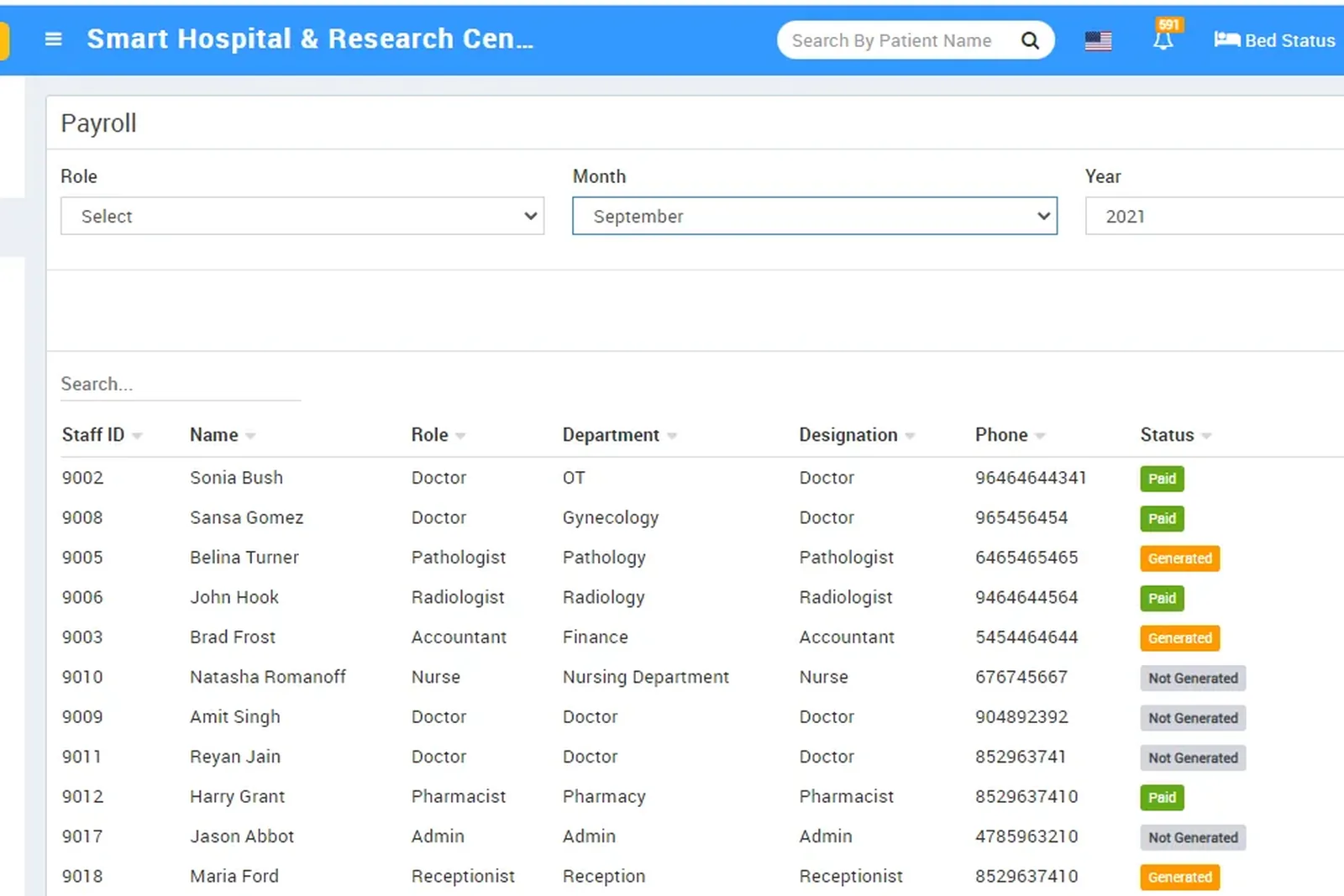
The first visible change is at registration. When admissions, OPD and IPD records live in one place, the front desk stops walking to records or calling departments to find a patient's history. They search, and it is there.
This is also the riskiest month. Staff are learning new screens while patients wait, which is why we run the new system alongside the old process until the outputs match, rather than switching over on a Monday and hoping.
Days 31 to 60: billing catches up with care
In most hospitals billing lags treatment. Charges from pathology, radiology and pharmacy arrive late or not at all, and someone reconciles them by hand before discharge. That reconciliation is often what holds a bed after the patient is ready to leave.
Once departments post charges into the same record as they happen, the discharge bill is ready when the patient is. Watch the time between fit for discharge and bill settled. It is the clearest single sign of whether the system is working.
Watch how long a recovered patient waits to go home. That number tells you more about a hospital system than its module list.
Studio Noir
Days 61 to 90: reporting stops being a project
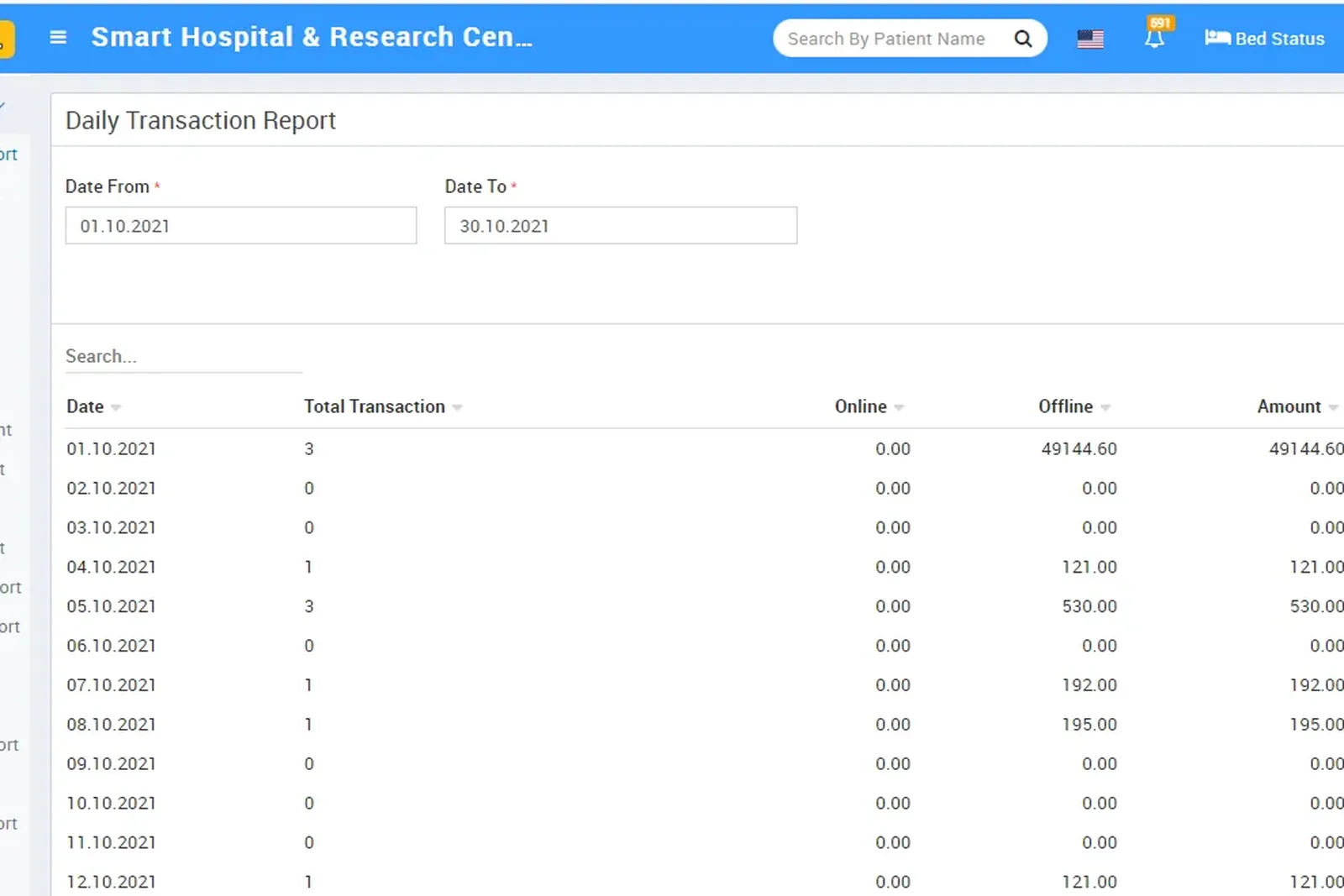
By the third month there is enough clean data for reporting to change behaviour. Daily transaction, OPD, IPD and pharmacy reports that used to take an afternoon to compile exist the moment someone asks for them.
The shift is quieter than it sounds. Management meetings move from arguing about whose figures are right to deciding what to do about them.
What to measure
Agree these before go-live, so nobody grades the system on impressions.
- Registration time per patient, at the busiest hour of the day.
- Time from fit for discharge to bill settled.
- Charges posted late or missed, per week.
- Hours spent compiling the monthly management report.
The warning sign to act on
If staff are still keeping paper files after sixty days, the system has a trust problem, and more training rarely fixes it. It usually means a workflow was mapped wrong: a form asks for information in an order nobody uses, or a department's step was left out. Go back to the floor and watch the work again.


 Let us map your operation.


Comments
No comments yet. Be the first to reply.
What do you think?
Please leave a reply. Your email address will not be published. Required fields are marked *